
How Florida’s Property Insurance Market Is Affected by Hurricanes
In 2022, Dayna and Matt Fancher lost their Fort Myers Beach home to Hurricane Ian. Their story, featured by NBC News, highlights a harsh reality for many Florida homeowners.
Living in the Sunshine State means enjoying beautiful weather and stunning coastlines, but it also means facing the annual threat of hurricanes. Under these conditions, it’s essential for Floridians to understand the ins and outs of their property insurance policies to make sure they’re protected in an emergency.
This post will guide you through the complexities of Florida homeowner’s insurance. We’ll explore how hurricane season impacts insurance rates, what standard insurance policies cover, and what you need to do to ensure you have the right insurance coverage to protect your home.
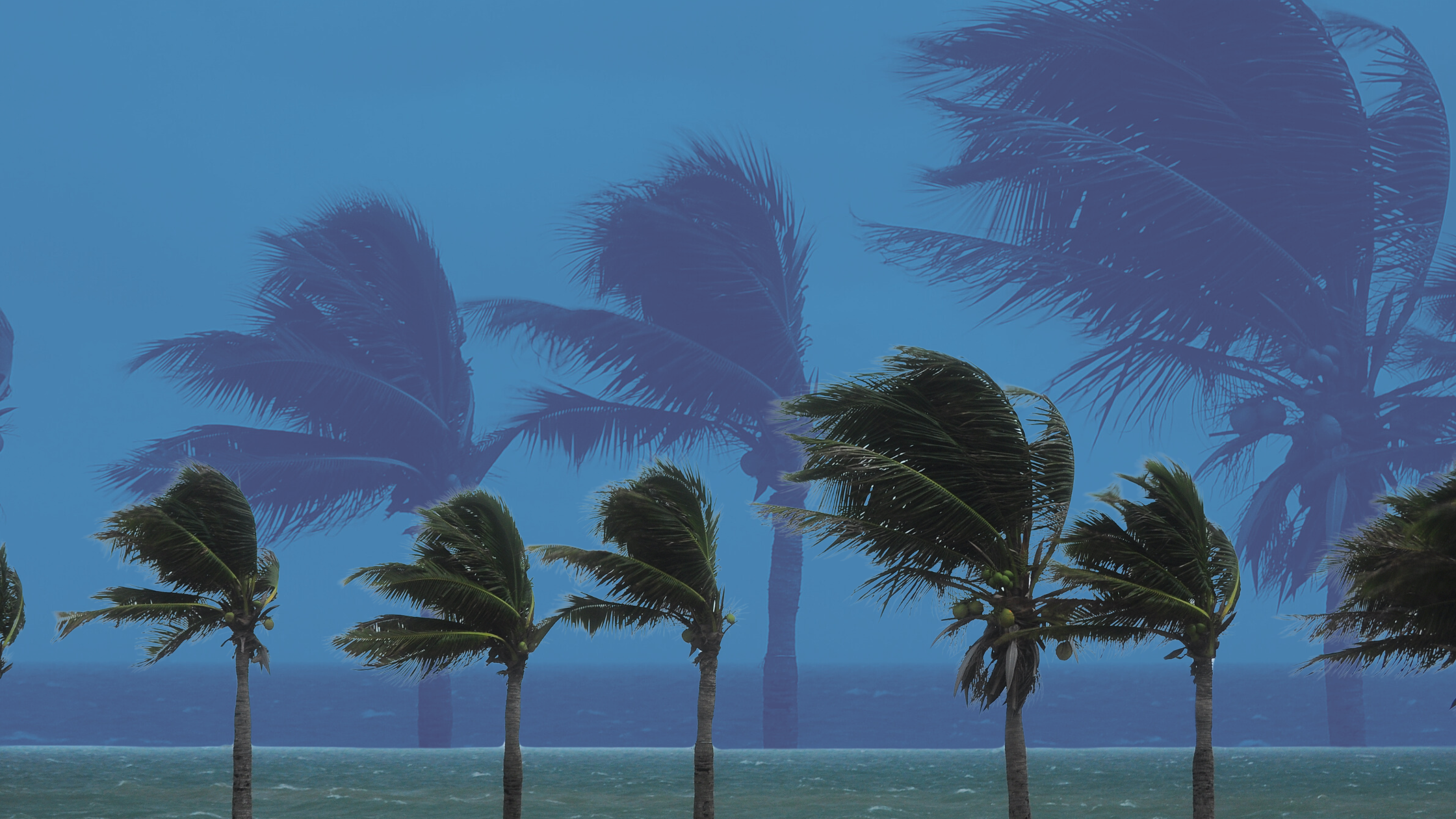
Why Hurricanes Drive Up Florida’s Insurance Rates
There’s a direct link between the high risk of hurricanes and the cost of homeowner’s insurance for Floridians. The numbers paint a clear picture. According to the Insurance Information Institute, Florida’s average premium has been climbing, with some reports citing the average cost nearing $10,000 a year—far above the national average. This makes the state one of the most expensive places for home insurance in the country.
The frequency and intensity of storms put immense pressure on insurance companies. Following major events like Hurricane Ian, which resulted in an estimated $50 billion to $65 billion in insured losses, several smaller Florida property insurers became insolvent. Even major national insurers have pulled back from the state due to the escalating risk.
However, the situation isn’t static. While there were significant rate increases and fewer options 12 to 18 months ago, recent legislative reforms have helped stabilize the market. Today, it has become more competitive, offering more choices for Florida homeowners.
Understanding Florida Homeowner’s Insurance
A standard homeowner’s insurance policy in Florida differs from those in other states, primarily due to the high risk of windstorm events. A typical policy provides three main types of insurance coverage:
- Dwelling: This covers damage to the structure of your home.
- Personal Property: This protects your belongings inside the home.
- Liability: This provides financial protection if someone is injured on your property.
The constant threat of hurricanes has created a challenging market, making it difficult for homeowners to find reliable and affordable coverage. This is precisely why Loggerhead was created. We’re committed to providing stable, transparent, and comprehensive insurance coverage tailored to the unique needs of Floridians.
Other Factors That Influence Your Insurance Cost
Insurance companies use several key factors to determine your insurance rates. Understanding these can help you manage your premium costs.
- Location: Your home’s proximity to the coast in any part of Florida is a major factor. Homes in high-risk areas, such as Miami or Tampa, often face higher premiums.
- Home Construction: The age of your home and the materials used in its construction play a significant role in determining its value. Loggerhead offers discounts for newer construction and for homes with wind mitigation features, such as reinforced roofing or impact-resistant windows.
- Coverage Limits: The amount of insurance coverage for your dwelling and personal property affects your rate.
- Deductible Amount: Opting for a higher hurricane deductible can lower your premium. However, it’s important to understand how much this out-of-pocket expense may be.
Decoding the Hurricane Deductible
One of the most unique aspects of a Florida homeowner’s policy is the hurricane deductible. Here’s how it works.
A hurricane deductible is separate from your standard homeowner’s policy deductible and applies specifically to damage caused by a named hurricane. It’s typically triggered when the National Weather Service or National Hurricane Center officially declares a storm a hurricane.
Instead of a flat dollar amount, the hurricane deductible is usually calculated as a percentage of your home’s insured value, often ranging from 2% to 10%. For a home with an insured value of $400,000, a 5% hurricane deductible would be $20,000. Homeowners must have these funds readily available to cover their portion of the repair costs after a storm.
What’s Covered vs. What’s Not When a Hurricane Hits
When a hurricane strikes, knowing your policy’s inclusions and exclusions is critical. Typical hurricane coverage includes damage from wind, such as roof damage to your primary dwelling.
However, there are common exclusions. The most significant is water damage resulting from rising water, like a storm surge. A standard homeowner’s insurance policy does not cover this type of damage. To protect against this, you need a separate flood insurance policy.
At Loggerhead, we also offer optional add-ons, known as endorsements, to enhance your protection. One popular option for Florida homeowners is “Hurricane Screened Enclosure” coverage, which provides hurricane coverage for pool cages or other screened enclosures attached to the home.
The Crucial Role of Flood Insurance
For many Floridians, flood insurance isn’t just a good precaution—it’s a necessity. This is true not only for people in coastal areas but also for inland properties that can be affected by heavy rainfall and overflowing rivers.
A separate flood insurance policy is required to cover damage from rising water. The primary source for this coverage is the National Flood Insurance Program (NFIP), a federal program managed by FEMA. Obtaining flood insurance is becoming more challenging as hurricane risk escalates, so it’s vital to plan ahead and secure a policy before hurricane season begins.
Preparing for Hurricane Season: A Proactive Approach
The official hurricane season runs from June 1 to November 30. Taking a proactive approach can make a significant difference in protecting your home and family.
- Fortify Your Home: Simple upgrades can greatly improve your home’s resilience. Install hurricane shutters, trim trees and large branches away from your house, and reinforce your garage doors. These improvements can sometimes lead to insurance discounts.
- Financial Preparation: Review your homeowner’s insurance policy annually with your agent. Ensure your coverage limits are adequate, especially for replacement cost, as construction costs can rise. Make sure to have a plan to cover your hurricane deductible.
Loggerhead provides resources to help you prepare. Our Storm Center offers detailed checklists and storm readiness guidance to assist every policyholder.
After the Storm: Navigating the Claims Process
If a storm damages your home, knowing the right steps to take can help streamline the recovery process.
- Prioritize Safety: Ensure you and your family are safe before assessing property damage.
- Document Everything: Take extensive photos and videos of all damage before you make any temporary repairs.
- Contact Your Insurance Provider: Report the damage to your insurance company immediately to start the insurance claims process.
An adjuster will be assigned to inspect the damage and evaluate your claim. Keep detailed records of all conversations, expenses, and repairs. Loggerhead is committed to a simple, transparent, and empathetic claims process, which you can initiate online or by phone.
Peace of Mind Starts with the Right Homeowner’s Insurance Protection
The Florida property insurance market is undeniably challenging. But understanding your homeowner’s insurance policy, including its hurricane deductibles and exclusions like flooding, is the first step toward security. Proactive preparation and a little financial planning can empower you to face hurricane season with confidence.
While the situation may seem daunting, partners like Loggerhead are dedicated to providing the stability and trust that Floridians deserve.
Don’t wait for the next storm warning. Take control of your home’s protection today. Get a free insurance quote from Loggerhead to secure your peace of mind.
FAQs About Florida Hurricane Insurance
What Is Hurricane Insurance in Florida?
Hurricane insurance isn’t a separate policy. It’s a component of a standard homeowner’s insurance policy in Florida that addresses damage from named hurricanes. It includes a specific hurricane deductible that applies only to damage from a named hurricane.
Is Hurricane Insurance Required in Florida?
While not legally required by the state, most mortgage lenders will mandate that you have homeowner’s insurance, which includes hurricane coverage, to protect their investment. Given the high risk of hurricane damage, it is highly recommended for all Florida homeowners.
How Do Hurricane Deductibles Work for Insurance Claims in Florida?
A hurricane deductible is the amount a homeowner must pay out of pocket before their insurance company begins to cover the cost of hurricane damage. It’s calculated as a percentage of the home’s insured value, so it’s essential to have these funds readily available.